
Pet loss writing guide
How to Write a Cat Obituary That Feels Personal
Learn how to turn a few memories into a personal cat obituary, with a worked revision, editing notes, and ways to adapt it for family or a public post.
Original, human-edited memorial guidance reviewed against our privacy and grief-safety boundaries. It is not therapy, veterinary care, legal advice, or medical advice.
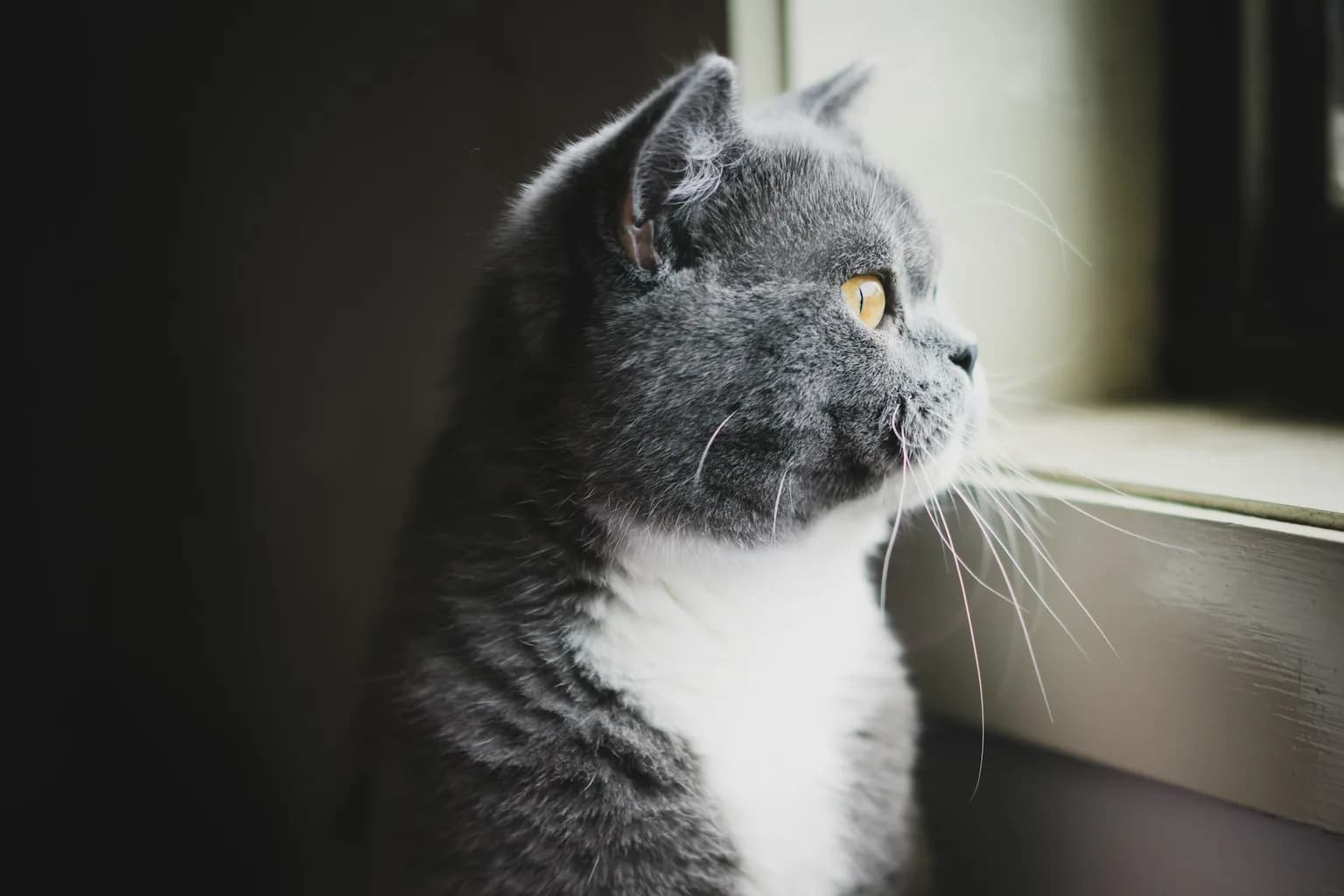
You may know exactly what you miss about your cat and still struggle to write the first sentence. Start with a small memory you can describe plainly. You can decide how formal the tribute should be after you have something on the page.
For a blank structure or a first draft, use the cat obituary template and free helper. This guide follows one piece of writing through revision, then shows what to keep or remove for different readers.
The cats and passages below are fictional writing exercises, not customer memorials. Use the editing decisions as a guide; replace the details with memories of your own cat.
Collect three observations before writing
Write a few notes without trying to make them sound like an obituary:
- Something they did: a noise, a game, a greeting, or a place they always checked.
- A moment between you: how they asked for company, joined an activity, or chose to keep their distance.
- Something you notice now: an unused toy, an interrupted routine, or a sound you expect to hear.
These do not have to be peaceful memories. A demanding, noisy, mischievous cat deserves to be recognizable too. If several people knew your cat, you can ask each person for one memory rather than asking them to write the whole tribute.
Work through one revision
Here is a first attempt for a cat named Fern:
Fern was a wonderful cat who brought us so much joy. She had a big personality and was loved by everyone. We will miss her forever.
There is nothing wrong with the affection in this draft. The difficulty is that almost any cat's name could take Fern's place. Before adding more words, ask what "big personality" looked like on an ordinary day.
The writer's notes might be: stole pencils during homework; tapped the cupboard before dinner; sat beside the youngest child until the house was quiet.
A revised version could read:
We said goodbye to Fern this week. She stole pencils from the homework table and tapped the kitchen cupboard when dinner was late. Once the house settled, she would sit beside our youngest until bedtime. We miss her interruptions as much as her company. We are grateful that our ordinary days included so much of her.
Three editing choices made the difference:
- Replace an adjective with an action. The pencils and cupboard show Fern's personality without needing to call it big or unique.
- Keep a detail about the relationship. Sitting beside a child tells the reader how Fern belonged in this particular family.
- Let the ending refer to the life described. Missing her interruptions follows naturally from the memories. It does not need a grander closing line.
Your version can be shorter. One remembered habit and one honest sentence of thanks may be all you want to share.
Decide who will read it
The same memories can become different pieces of writing. Choose the audience before adding personal details.
A message to family or friends
People who knew Fern may recognize her from one detail. A short message could say:
We said goodbye to Fern this week. We will miss the pencil thief at our homework table. Thank you for loving her with us. We are taking a little quiet time together.
The last sentence sets a boundary around replies. Include it only if that is what you want. You do not owe readers a promise to answer messages immediately.
A public memorial post
Keep the habits and affection, then check whether names, locations, photographs, or family details are appropriate to share. In the longer example, "she stayed close while the house settled" could replace the reference to the youngest child.
Dates, age, and cause of death are optional. If you include them, use facts you know and are comfortable making public. An obituary can remember a life without explaining every part of its ending.
A private keepsake
A private version can keep the small references that need no explanation between you and your family. You might add a sentence directly to your cat, or save a memory that feels too personal for a public post. It is also fine for that version to remain unfinished for a while.
When your memories are quieter
Specific writing does not require an eventful story. For a shy cat, consider a moment when they chose closeness. For an older cat, describe one routine you shared instead of trying to summarize every year.
A separate fictional example for Pip might begin:
Pip rarely sat on our laps. Instead, he took the chair beside us, close enough that one paw rested on the edge of our seat. We learned to recognize that small gesture as his way of joining in.
This passage does not turn Pip into a different kind of cat. Keep the details that fit your companion, even if a ready-made example sounds more affectionate or dramatic.
Read it aloud once
Before sharing, check three things:
- Could a person who knew your cat recognize them from at least one detail?
- Is there a phrase you would never normally say? Replace it with simpler words.
- Does anything feel too private for this audience? You can keep it in another version.
You do not need to polish the grief out of the writing. Stop when the words feel truthful enough for the purpose you chose.
Return to the cat obituary helper if you want a short draft to edit. For a card that only has room for a line or two, see short pet loss quotes. When you are ready, you can bring the words and photographs into a private PawsLullaby Memory.